Sam, who was not the fastest
Sam and the Machine That Needed Telling
Everyone raced the machine. Sam, who could not win a race, read what it made instead.
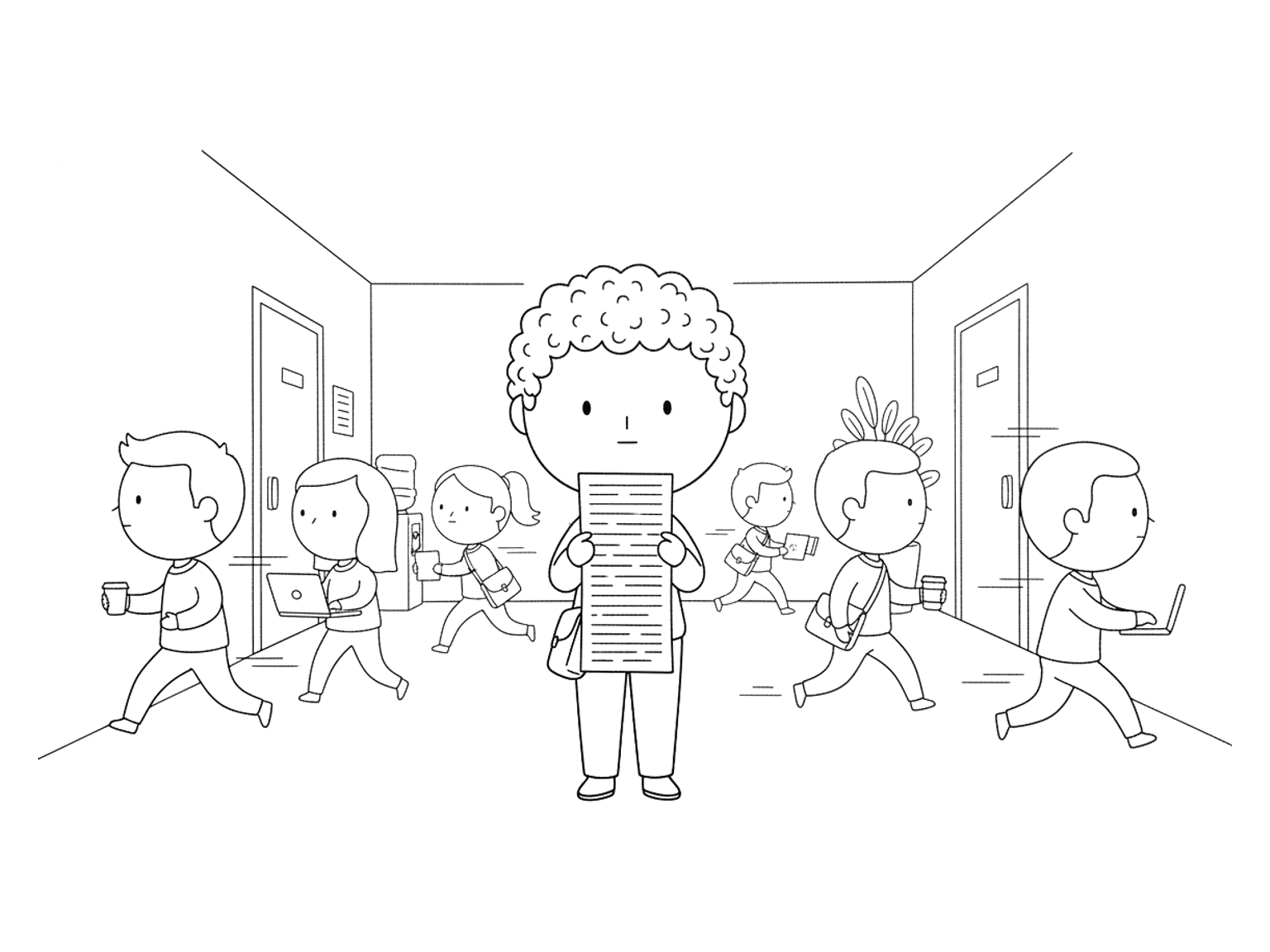
Sam's team was given a machine that could do a week of work before lunch.
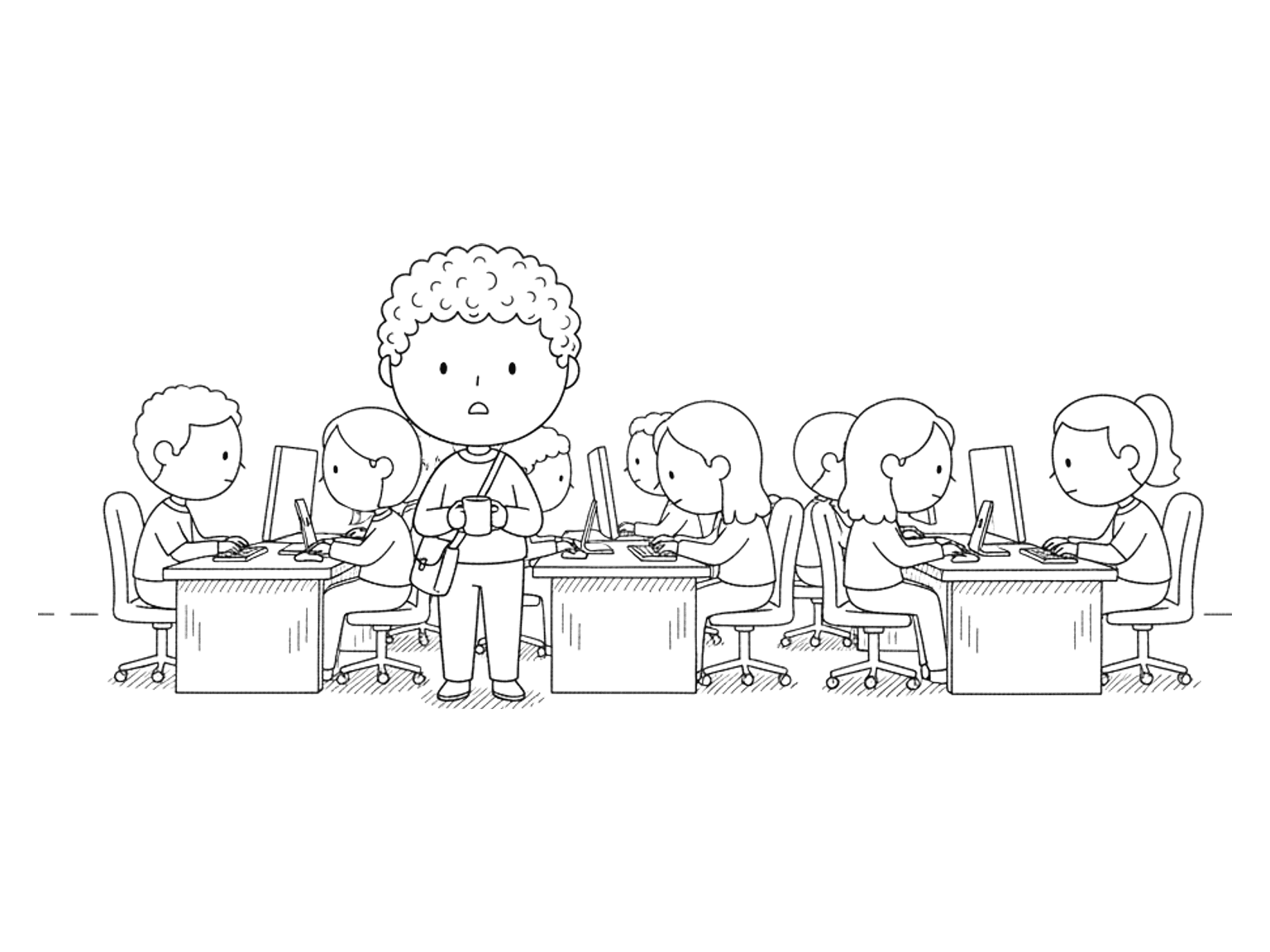
Everyone started racing it. They came in early. They typed faster. They measured themselves, all day, against a thing that never got tired.
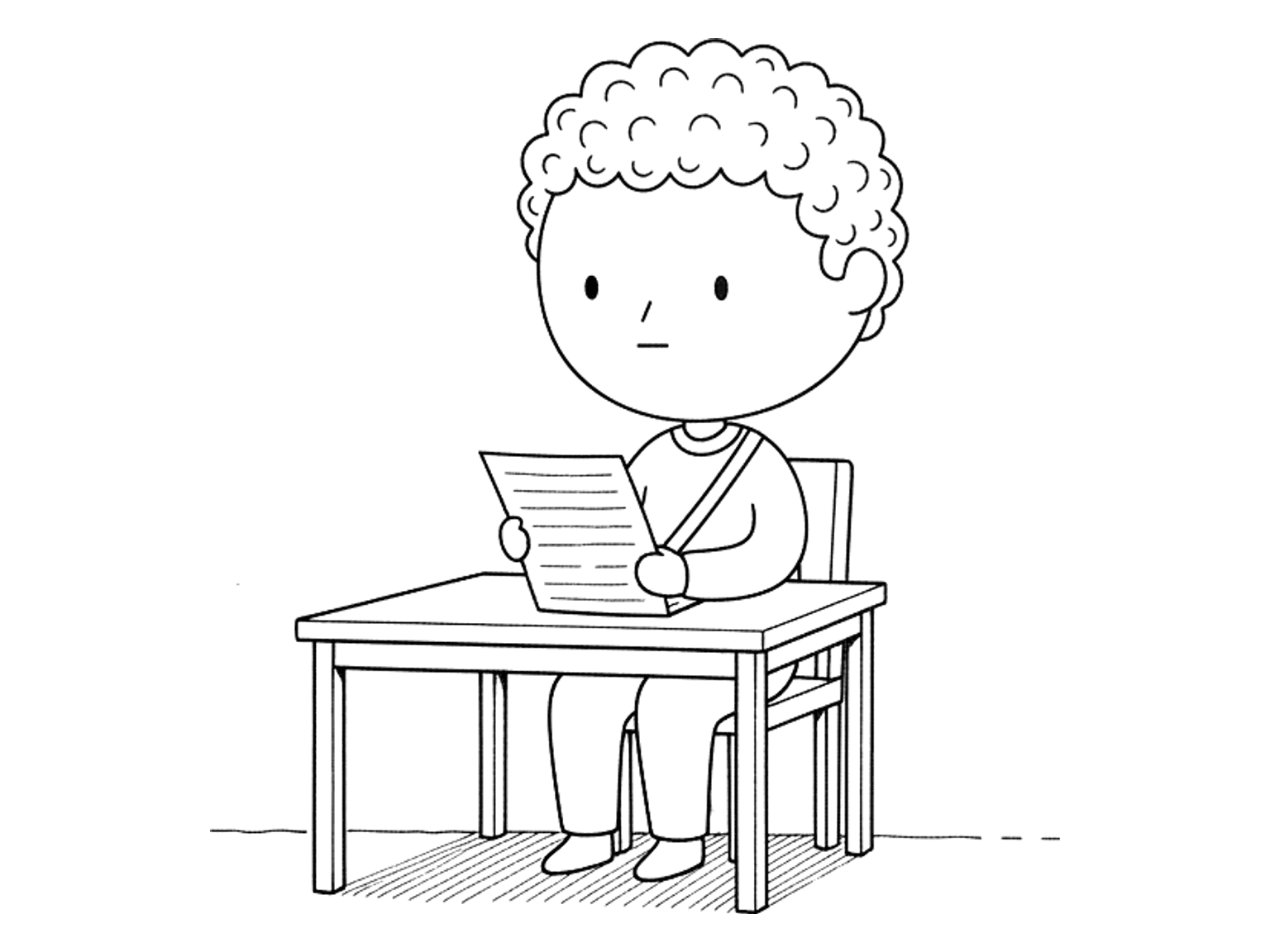
Sam was never going to win a race. So Sam did the unfashionable thing, and read what the machine had actually made.
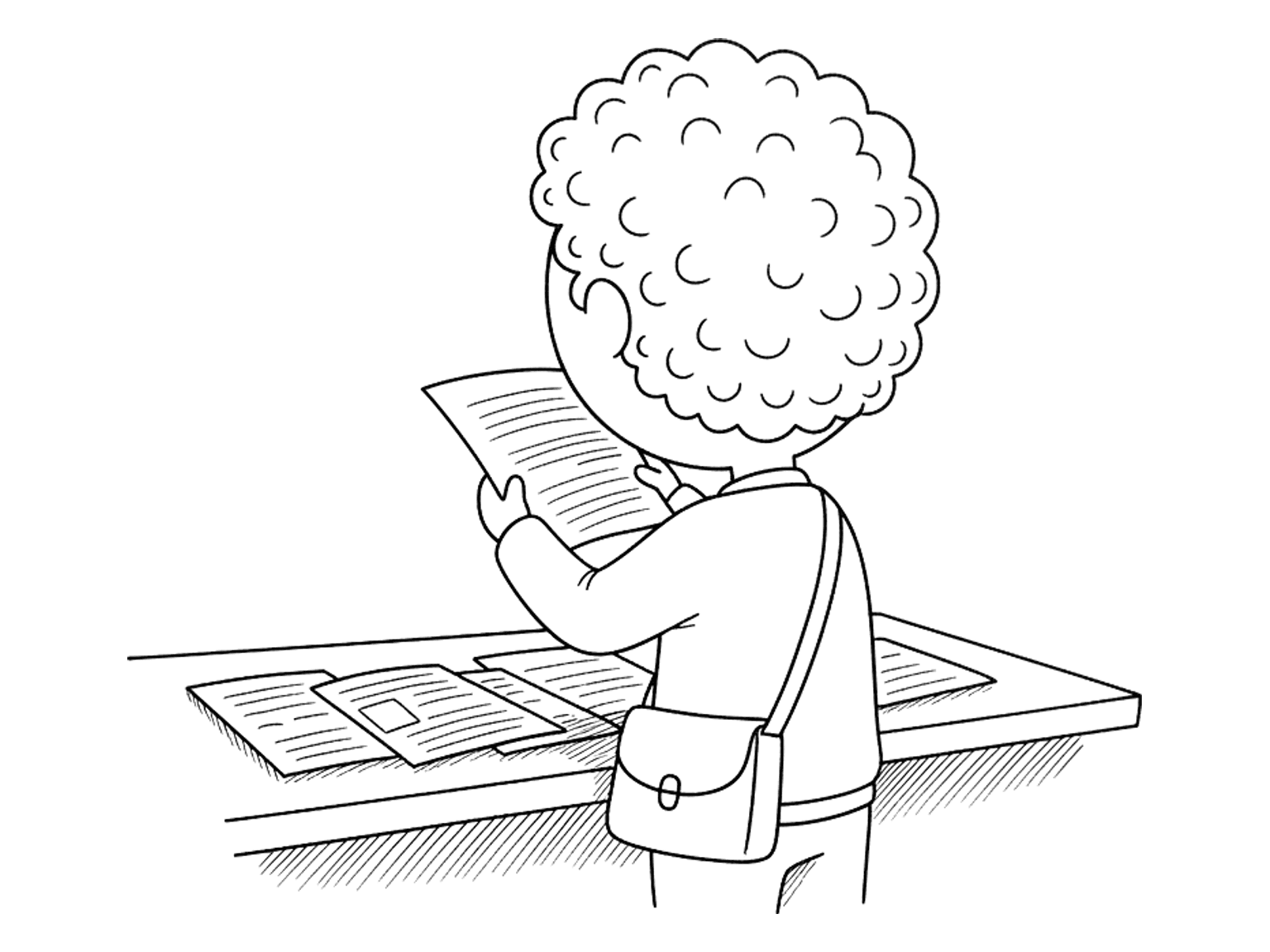
It was fast. It was tidy. It was confident. And it was pointed, with enormous certainty, at the wrong question.
So Sam began telling it where to point. Not faster. Just aimed at something worth hitting.
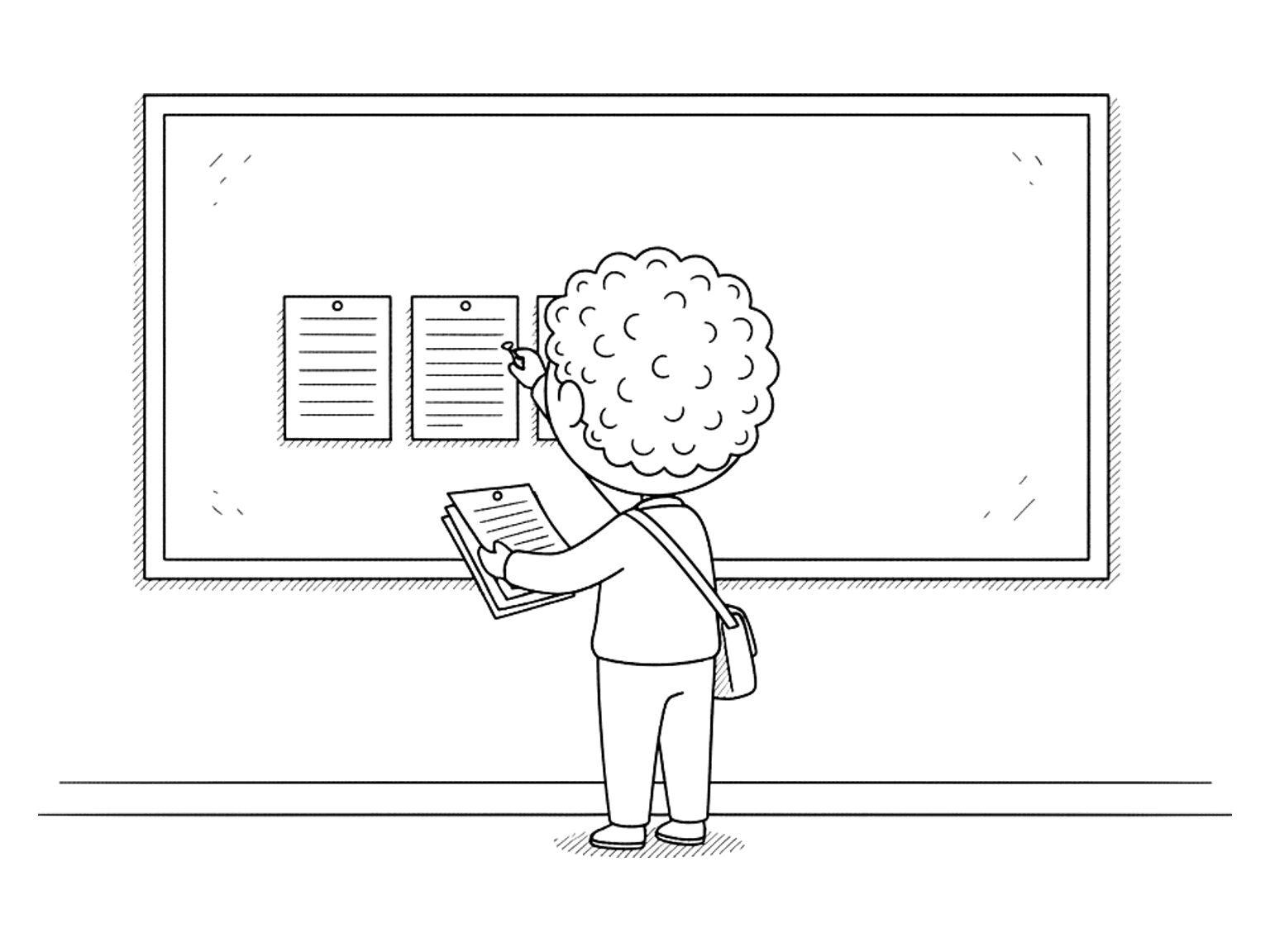
The work got better. Then it got quicker. Then it got quicker than anyone who was still racing.
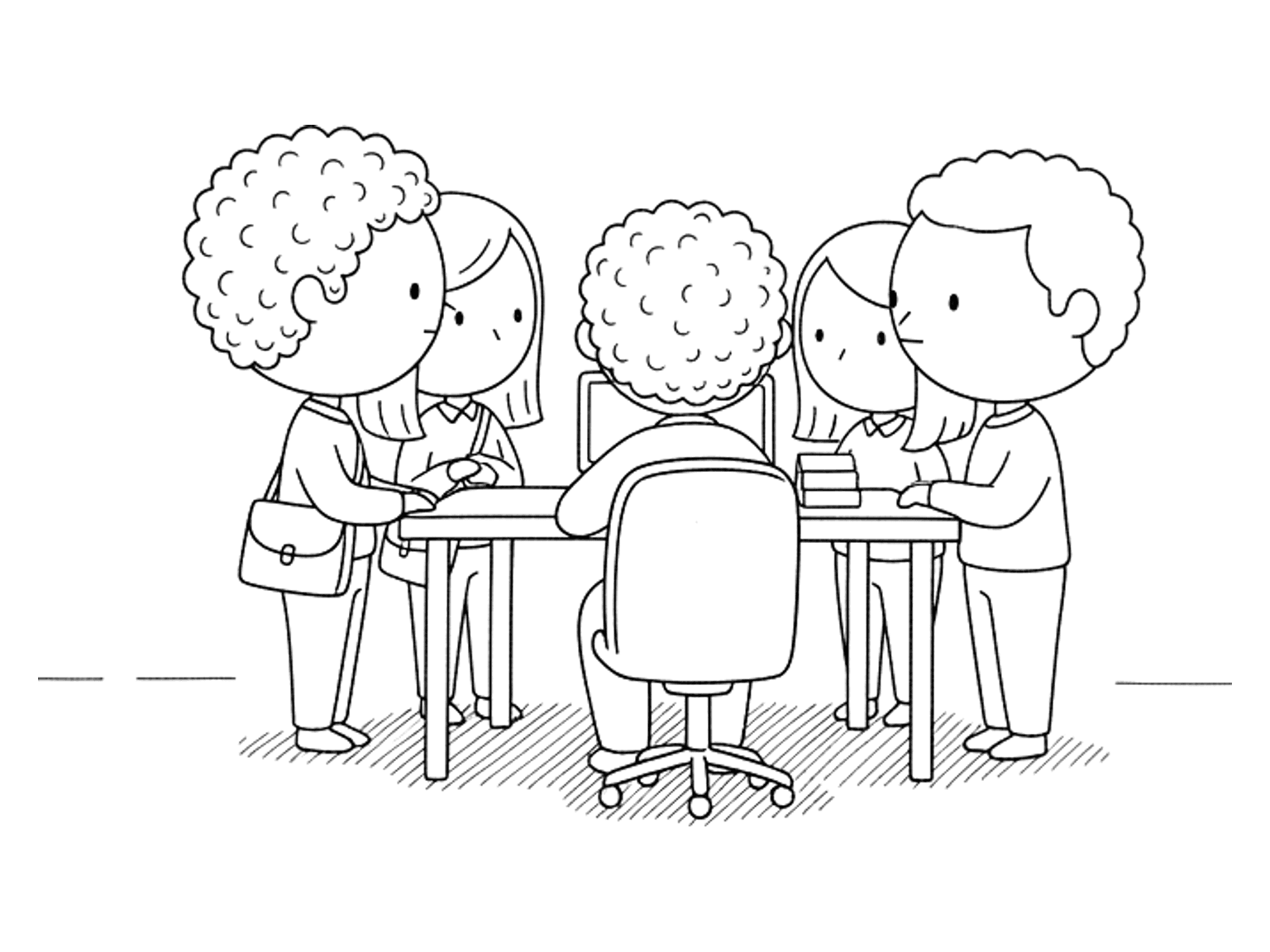
By spring, people had stopped asking the machine things. They had started asking Sam what to ask it.
The machine never needed beating. It needed telling. That turns out to be a different job, and somebody has to hold it.
Find out where you sit on this