Daniel, a data analyst
What Daniel Knew
The helpers wrote the queries in seconds. Daniel knew which answers were wrong.


Daniel turned questions into numbers. Every Monday the same dashboard, every afternoon a queue of requests that all began with "quick question". Most of his week went on writing the query, not on what the answer meant.
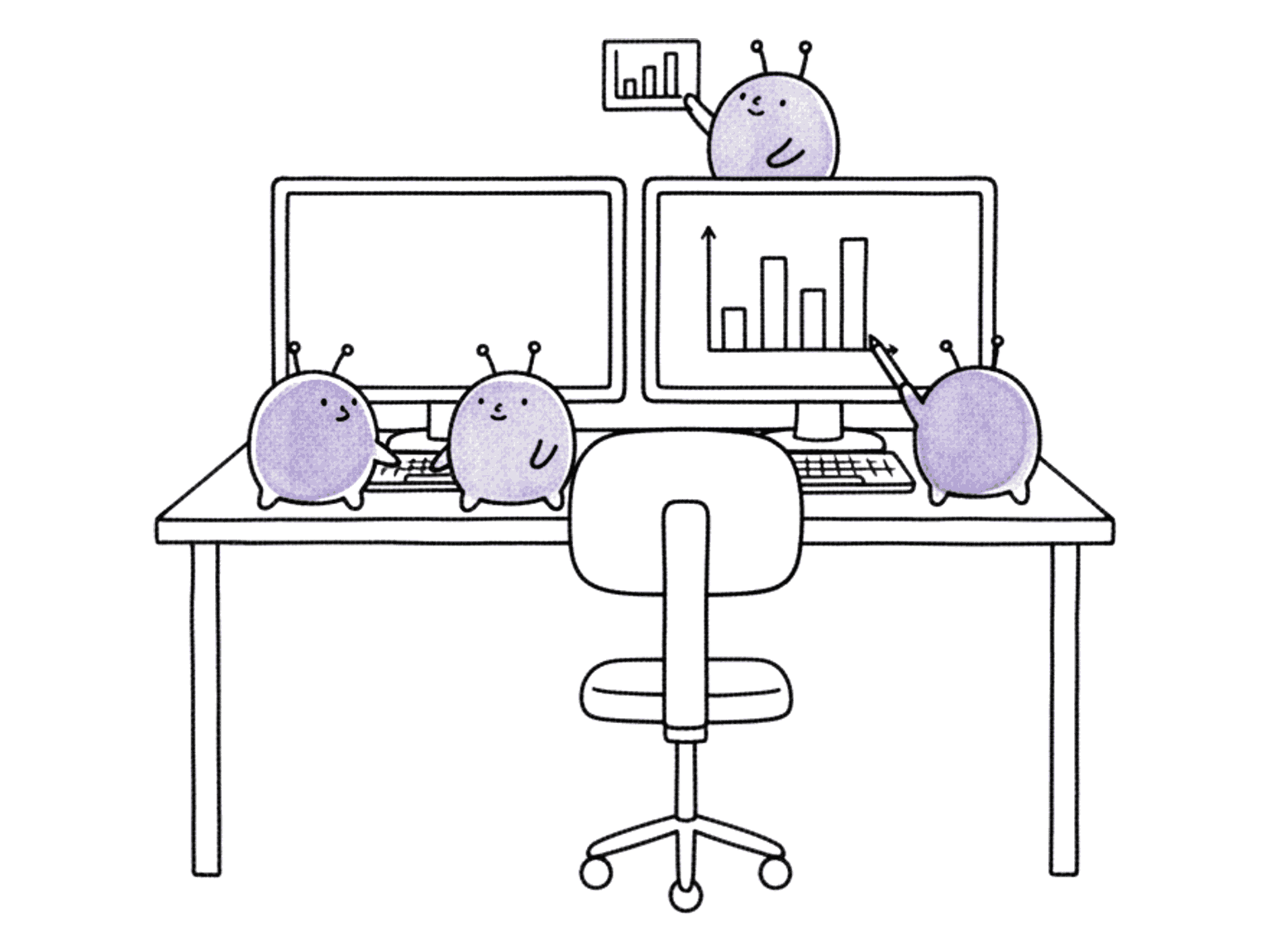
Then the helpers arrived. Ask them in plain words and they wrote the query, built the chart and refreshed the dashboard before the meeting had started.

Some of the team kept writing every query by hand, just in case. Daniel asked a helper a question and checked its answer line by line. It was quick. It was also wrong, in a way only someone who knew the business would notice.
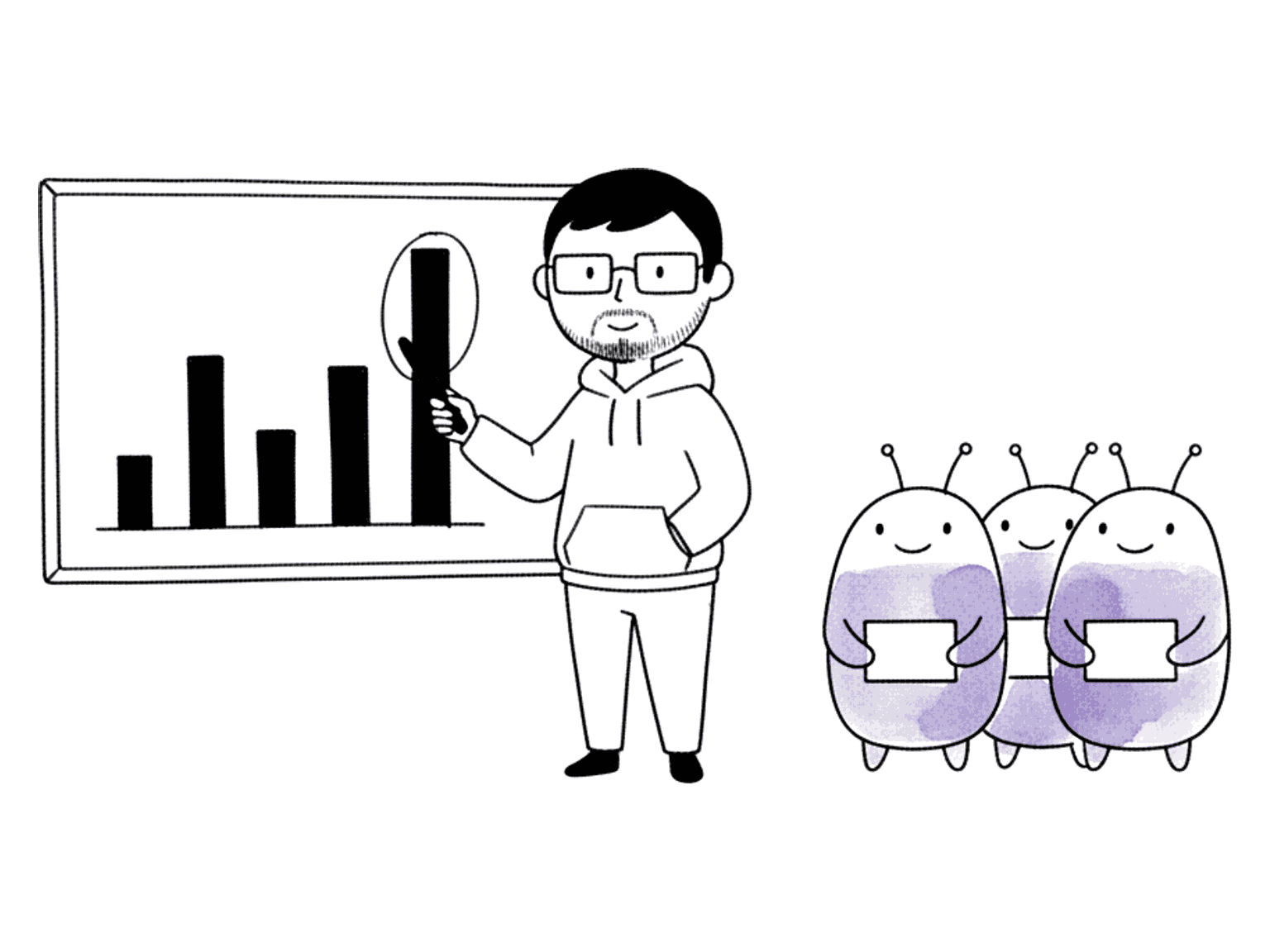
That turned out to be the job. The helpers did the fetching and the charts. Daniel brought what they could not see: why the numbers moved, which ones mattered, and when they did not add up.
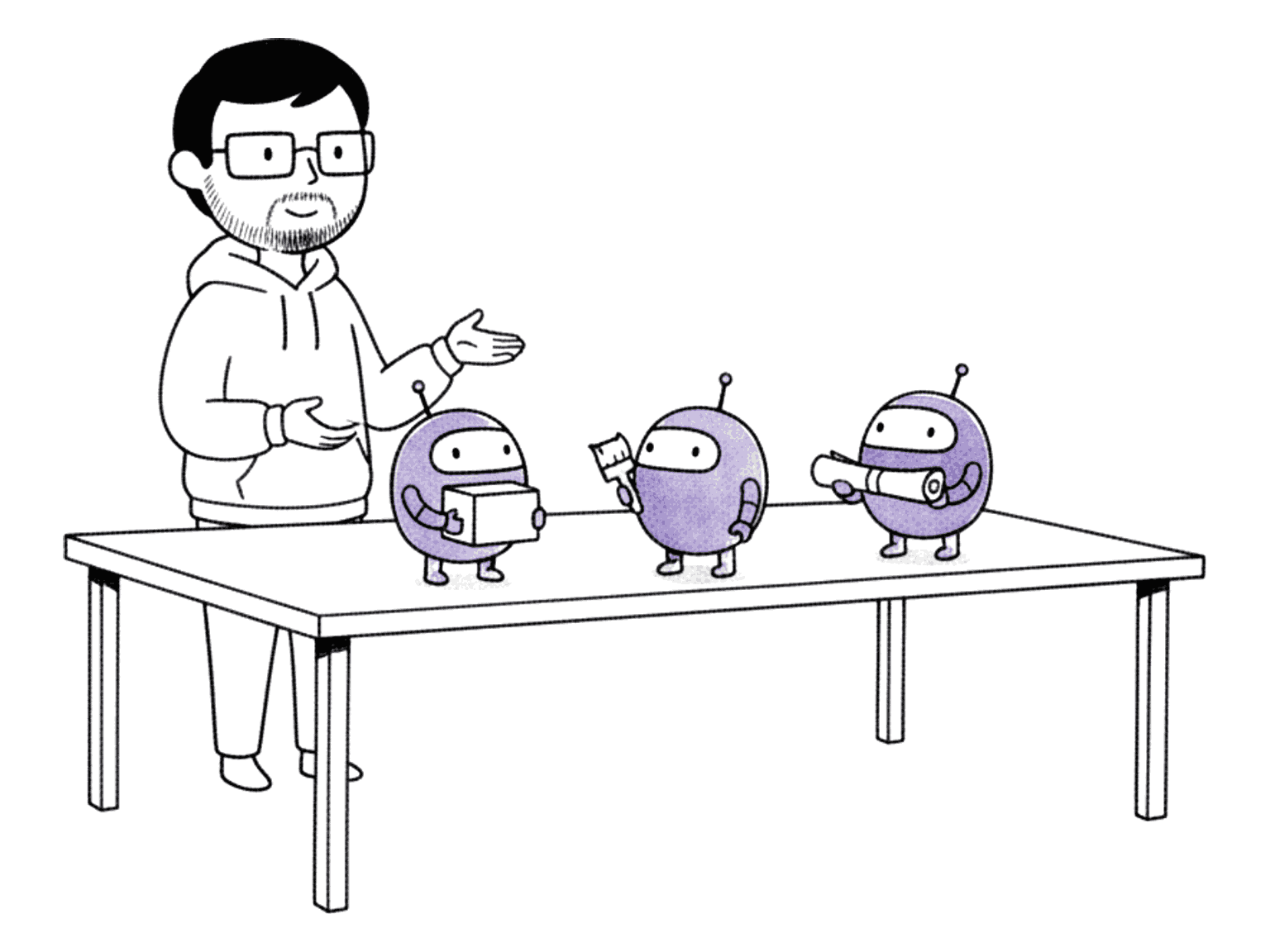
Before long he was running a small team of AI agents, one to fetch, one to clean, one to chart, and checking every answer before anyone acted on it. He had become an AI orchestrator.

He kept learning on real questions, a little each week. He checked where his skills stood and found roles forming around people who could ask the right question and trust the answer.

The requests still came in. These days, they began with "what should we be asking?"